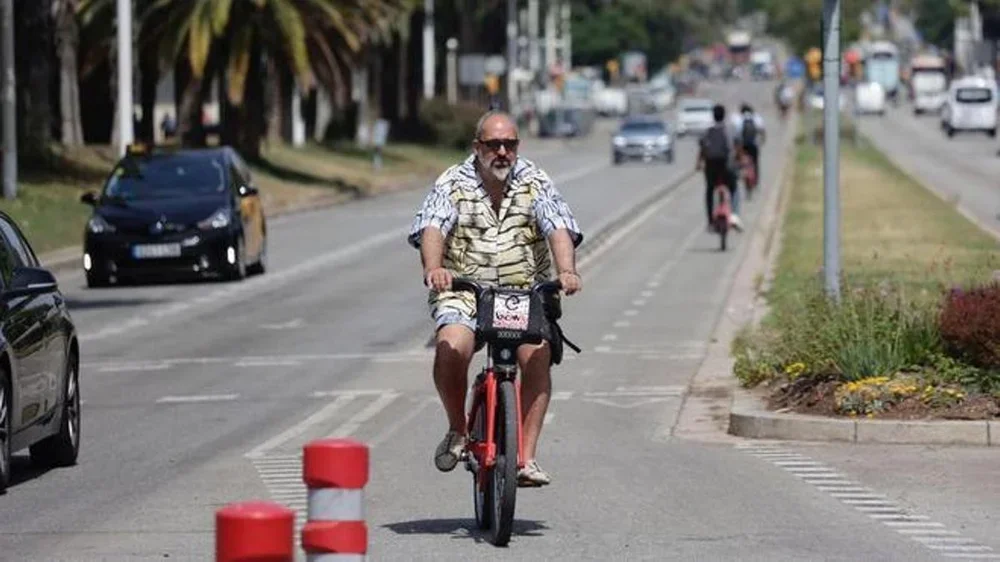

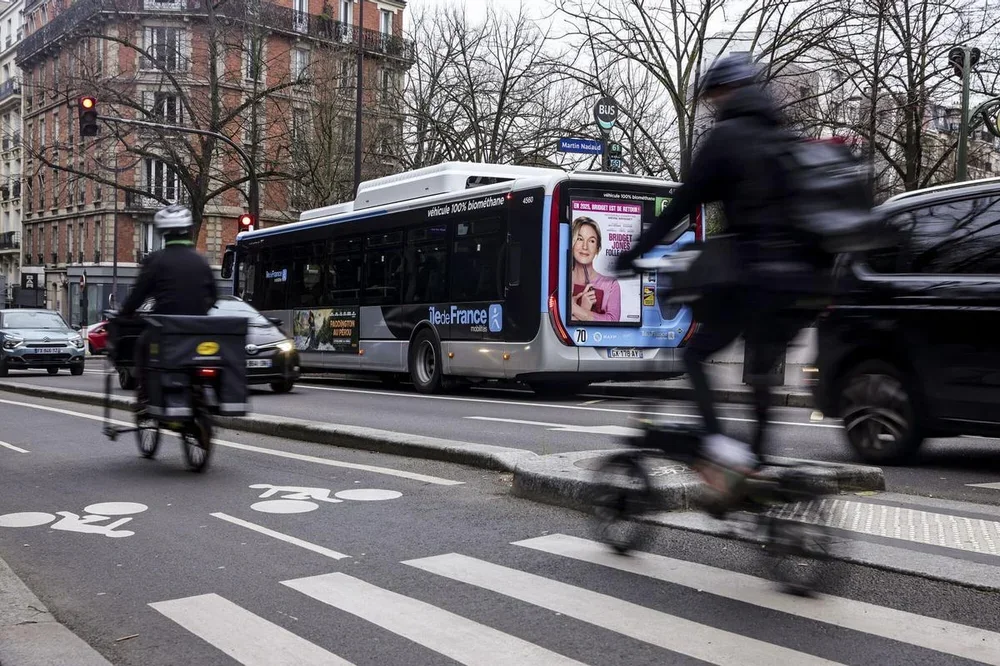

Every weekend, thousands of cyclists take to the roads to exercise, disconnect, and embrace an increasingly popular mode of daily transport. In response to this growth, Spain’s Directorate General of Traffic (DGT) continues to push for changes and new measures aimed at improving road safety and adapting infrastructure to allow bicycles and vehicles to coexist safely.
The Spanish Official State Gazette (BOE) has now confirmed a significant shift for cyclists. Many riders feel unsafe sharing the road with cars and motorcycles, and for good reason: the vast majority of fatal bicycle accidents are caused by motor vehicles. Even when impacts are not fatal, they often leave cyclists with severe physical consequences.
Figures highlight mounting concerns on Spanish roads. According to DGT data, 46 cyclists died in traffic accidents in 2024, both in urban and interurban areas. Among those killed, 14 were not wearing helmets while cycling in urban settings, where helmet use is still not mandatory for adults. On highways, however, helmets are required on all interurban roads.
The new regulation published in the BOE marks a major change for cycling mobility in Spain. Starting October 10, 2025, national roads will be allowed to include segregated bike lanes, even in sections where the shoulder was previously untouchable. This measure opens the door to partially or completely removing the shoulder to make space for the new infrastructure. The goal is to enhance cyclist safety and create more continuous routes, avoiding interruptions and hazardous situations on heavy-traffic roads.
Additionally, these new bike lanes will have priority within the traffic flow, encouraging a safer and more common use of bicycles for interurban travel.