

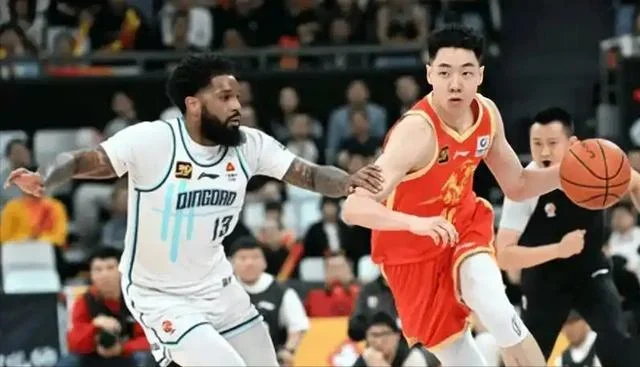
Looking back at the 2024 CBA playoffs, the elimination of Zhejiang Chouzhou Golden Bulls still leaves many fans feeling disappointed. As one of the favorites to win the title, they were swept 0-2 by the Shenzhen Leopards in the quarterfinals. Even playing at home, the arena was far from full, with ticket prices ranging from 100 to 800 yuan – but the cheap seats couldn’t win back the fans’ enthusiasm.
**The real story from the lead to the sweep**
On April 12, 2024, the CBA playoff quarterfinals kicked off with a best-of-three series between Zhejiang and Shenzhen. This format, newly adopted for the quarterfinals, often favored more experienced teams.
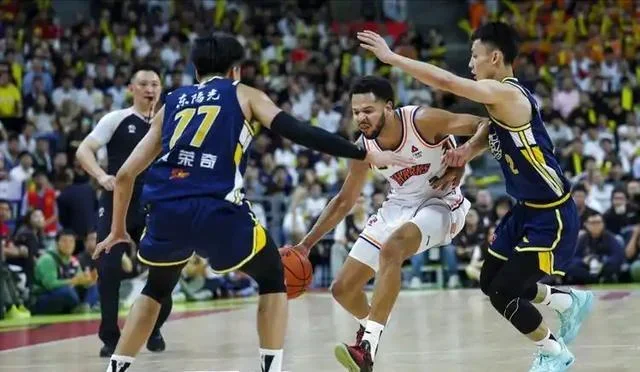
Before the series, Shenzhen awarded He Xining the regular season MVP and gave Smith the Best International Player award, boosting the team’s morale. In Game 1 away from home, Zhejiang took an early lead thanks to Randolph’s inside dominance. But He Xining responded with 10 points in a single quarter, hitting tough three-pointers to tie the game. In the second quarter, Zhejiang’s import Andrews dropped 13 points to keep the score close, and they trailed by just one at halftime. In the fourth quarter, Shenzhen doubled-teamed Randolph, forcing others to make plays and sparking several fast breaks. He Xining hit a critical three-pointer late in the game, sealing a 108-95 victory for Shenzhen.
In Game 2 at Shenzhen’s home court, the hosts started strong with a 9-3 run. Li Yuezhou’s jumper and free throws helped Zhejiang tie the game at 20-20 by the end of the first quarter. In the second quarter, Shenzhen went on an 8-0 run to extend the lead, though Lu Wenbo’s buzzer-beating three cut the deficit to six at halftime. Zhejiang’s offense went cold in the third quarter, allowing Shenzhen to open up a 13-4 run and take control. In the fourth quarter, Zhejiang’s two imports hit threes to narrow the gap, but He Xining answered with four triples of his own, leading Shenzhen to a 95-91 win and a 2-0 series sweep.
Cheng Shuaihang scored 25 points and Li Yuezhou added 15 in the loss, but it wasn’t enough. The empty seats in the stands became the most glaring image of the night. Zhejiang’s regular-season home attendance averaged over 12,000, but only about 7,100 showed up for this crucial playoff game – a clear sign that fans were voting with their feet.
**The double whammy of missing superstars and cooling fan interest**
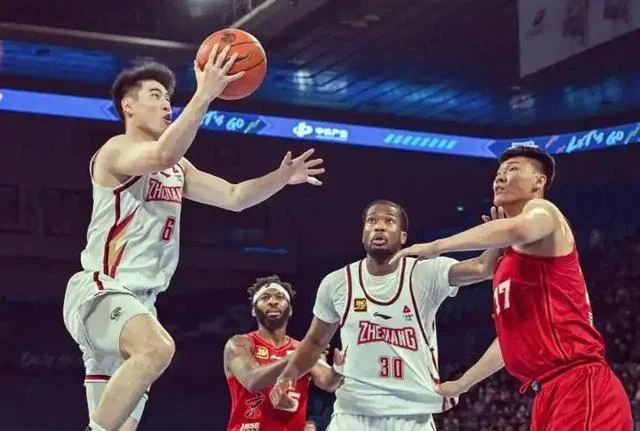
The root cause of the sweep and the empty seats is Zhejiang’s lack of star power. Shenzhen’s rise this season is built around He Xining, who not only won the MVP but also dropped 32 points in Game 1 and 23 in Game 2, hitting clutch threes at every critical moment. Rookie Wang Haoran contributed 19 points in the second game, giving Shenzhen a well-rounded attack that kept fans excited.
In contrast, Zhejiang has long been known for their team-based system, but their key players have declined. Wu Qian’s performance this season has dropped over 30% from his peak, averaging just 10.2 points in the series and struggling to find his shot. Cheng Shuaihang fought through injury to score 25 points, but his shooting percentage was only 38% due to a first-round injury. Imports Andrews and Randolph also lacked consistency and couldn’t be relied upon as scorers.
Some might blame the team’s philosophy, but in the high-intensity environment of the CBA playoffs, team basketball alone isn’t enough – the ability to create individual scoring in clutch moments is what decides games. According to CBA official stats, He Xining ranked first in clutch points (points scored in the last five minutes with a margin of five points or less) with 12 points, while no Zhejiang player made the top ten.
Fan spending on sports is emotional consumption, and star performances are the core of that value. He Xining’s clutch plays frequently trended on Weibo, while Zhejiang’s players generated little discussion. Fans naturally don’t want to pay for games they don’t expect to be exciting.
Looking at the league standings, Zhejiang had a strong regular season record, but it was built more on team chemistry than individual brilliance. Shenzhen’s rise this season, on the other hand, is largely due to He Xining’s consistent excellence, highlighting the gap between regular-season records and actual playoff performance.
The league has encouraged team basketball in recent years, but some teams have taken it to an extreme, neglecting the development of stars – and Zhejiang is a clear example of this.
**Zhejiang’s dilemma: the price of over-emphasizing team play**
Zhejiang’s predicament is essentially the result of taking team basketball too far, ignoring the cultivation of core stars. The team has stuck to a team-first approach for years, and its youth system prioritizes collective play over individual scoring ability, leaving the team without a true marquee player who can carry the load in big moments.
It’s not that local fans don’t love their team – it’s that after several seasons without seeing star performances, and with Wu Qian’s decline, they’ve lost expectations. Even affordable ticket prices can’t compensate for the lack of excitement.
Sports business is driven by star power. Shenzhen’s jersey sales increased 60% this season, and their home attendance rose 20% – clear proof of the commercial value of stars. Zhejiang’s declining attendance is another example of the importance of star effect.
This series also raises questions about the CBA’s youth development system. Should young players be given more one-on-one opportunities in training to develop both team awareness and individual ability? Only by balancing team and individual can a team achieve both stability and explosiveness, earning the trust of fans and the market.
Zhejiang’s embarrassment is not an accident – it’s the inevitable result of long-term neglect in cultivating star players. As a traditional CBA powerhouse, they must face this weakness, adjust their tactics, and develop a true star while maintaining their team system. Only then can they regain the trust and support of their fans.
CBA teams need to find a balance between team and individual play, and recognize the value of star power, to make professional basketball attractive and bring fans back to the arenas, driving the healthy growth of the league.
